There’s a lot of different training options for dogs: group classes, private lessons, board and train. It can be confusing and hard to know what’s best for your dog. Over the next month, I’m going to break down what each one of these is, and how to figure out which one best fits your dog and lifestyle.
I’ve been on both sides of training, as a dog owner and as a trainer, and I’ve used and taught in all three types of training. Not every option is right for every dog, and likewise not every trainer is right for every family.
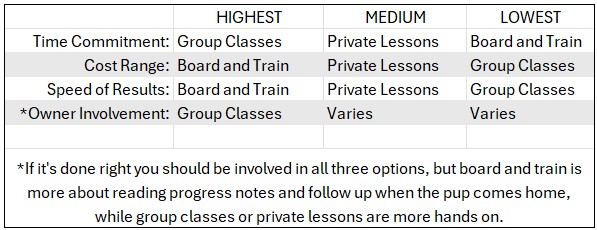
Here’s a quick, and very generalized, break down before we start our next deep dive.
Private Lessons
What are private lessons?
Private lessons are one-on-one lessons that can take place either in your home, out in the community, or at local dog friendly spaces. They are highly customized, and teach both you and your dog together. Private lesson training from The Dog Trainer Near Me is sold in packages of four or eight lessons.
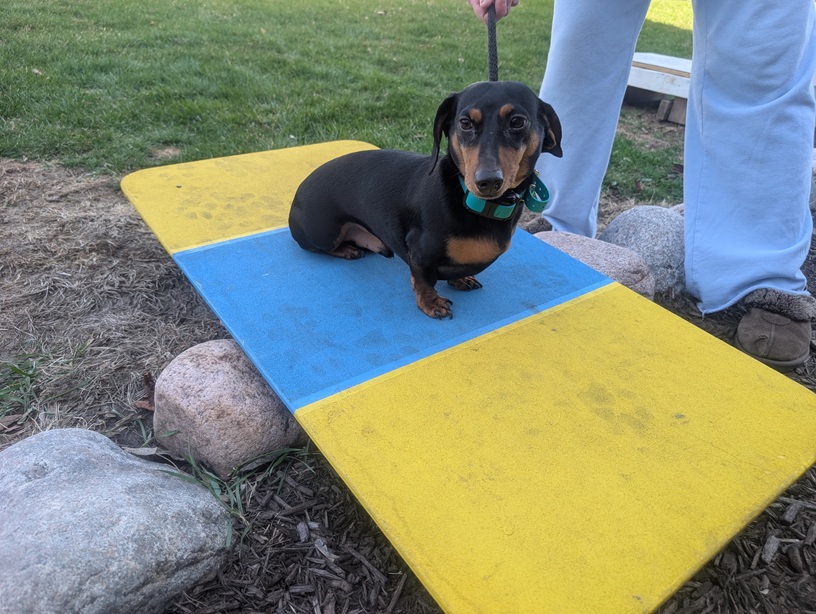
There’s several great reasons to choose private lessons. For example, if you are having specific issues which always happen in a certain environment, your lessons can focus on that issue.
Owners can ask a lot of questions, and are highly involved with the training process. The trainer provides guidance and direction based on their expertise, but the majority of training is done by the family. You and your dog will be learning together at the same time.
Private lessons are usually lower cost than a board and train. Most people also find them more convenient than group classes, since they can be arranged at a time and place that works for you and your trainer. Private lessons can be tailored to fit certain needs of either you or your dog.
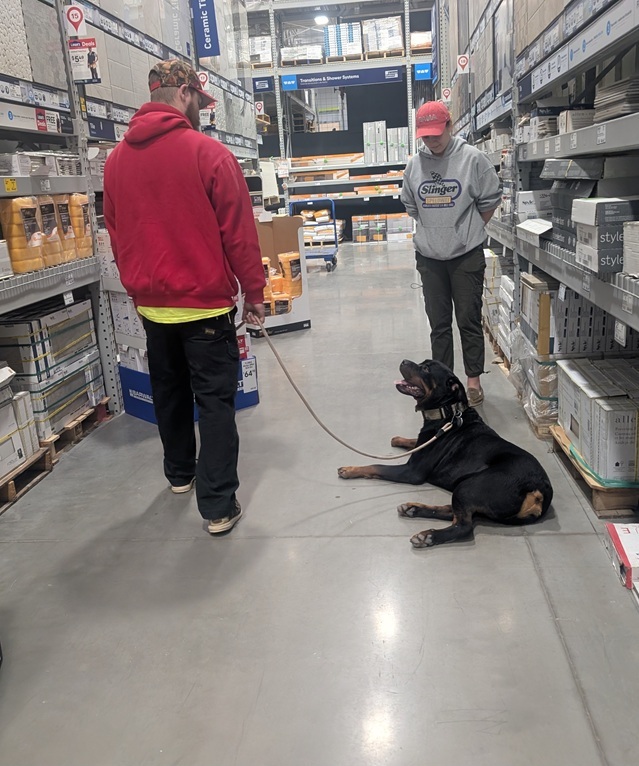
There are some other aspects to consider. The progression of training is slower than a board and train. Most lessons are once a week, or once every two weeks. What your dog learns on the first days of a board and train might not be learned until several weeks into training with private lessons.
There’s a lot more time commitment from the owner to train with their dog daily between lessons. If you are not consistent with both commands and putting aside time to train, your dog will be slow to progress, which might cause learning to be delayed or repeated. Private lessons could end up costing more than a board and train if there are significant delays and additional lessons needed.
Also, if a challenging behavior doesn’t happen predictably, there’s a chance your dog might not do it during your lessons. When dogs are staying with a trainer, they are much more likely to attempt those behaviors.
Private lessons are a great fit for people who work from home and have a hour or more to train with their dog throughout the day. Owners who really want to be hands on can also have a great experience with in home lessons!
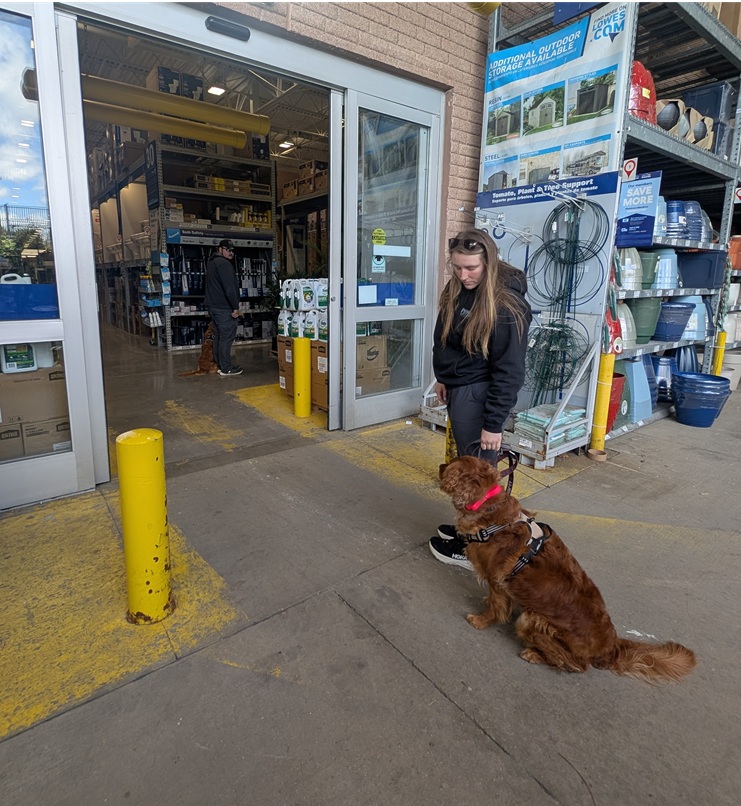
For some families where multiple people need to work with a dog, private lessons might be the best fit. Several members of the household can be present together to learn the same principles and commands. Also, since private lessons often take place in the home, some individuals might feel most comfortable learning in their own environment, especially if there are sensory or mobility considerations.
Finally, for dogs who weigh less than ten pounds or dogs with higher medical needs, the slower pace of private lessons might be a benefit.
If you can handle the time commitment, private lessons can be a fantastic option as your dog will be trained by you. Sometimes board and train dogs take time to see if the rules they learned with the trainer also apply at their home, but private lesson dogs usually don’t have the same boundary testing.
For dogs who have successfully graduated from a board and train, we also offer additional private lessons at a special discounted rate (beyond those included in the package).
What Type of Training Should You Choose?
Which one of the different types of training is right for you? That’s something that both you and your trainer will need to discuss. Some behaviors are better suited to certain programs more than others.
When looking at different options, make sure you get to talk to or meet the trainer first, and ask questions about why they recommend one training over the other. Understand that most dog trainers are trying to give you the best recommendation for your dog based on years of experience with many dogs and what they’ve seen work best. And if you have questions, always ask!
Tune in next week for an overview of Group Classes.


Leave a comment